24K Gold Chain Price: How Gram Weight & Spot Price Set Your Cost
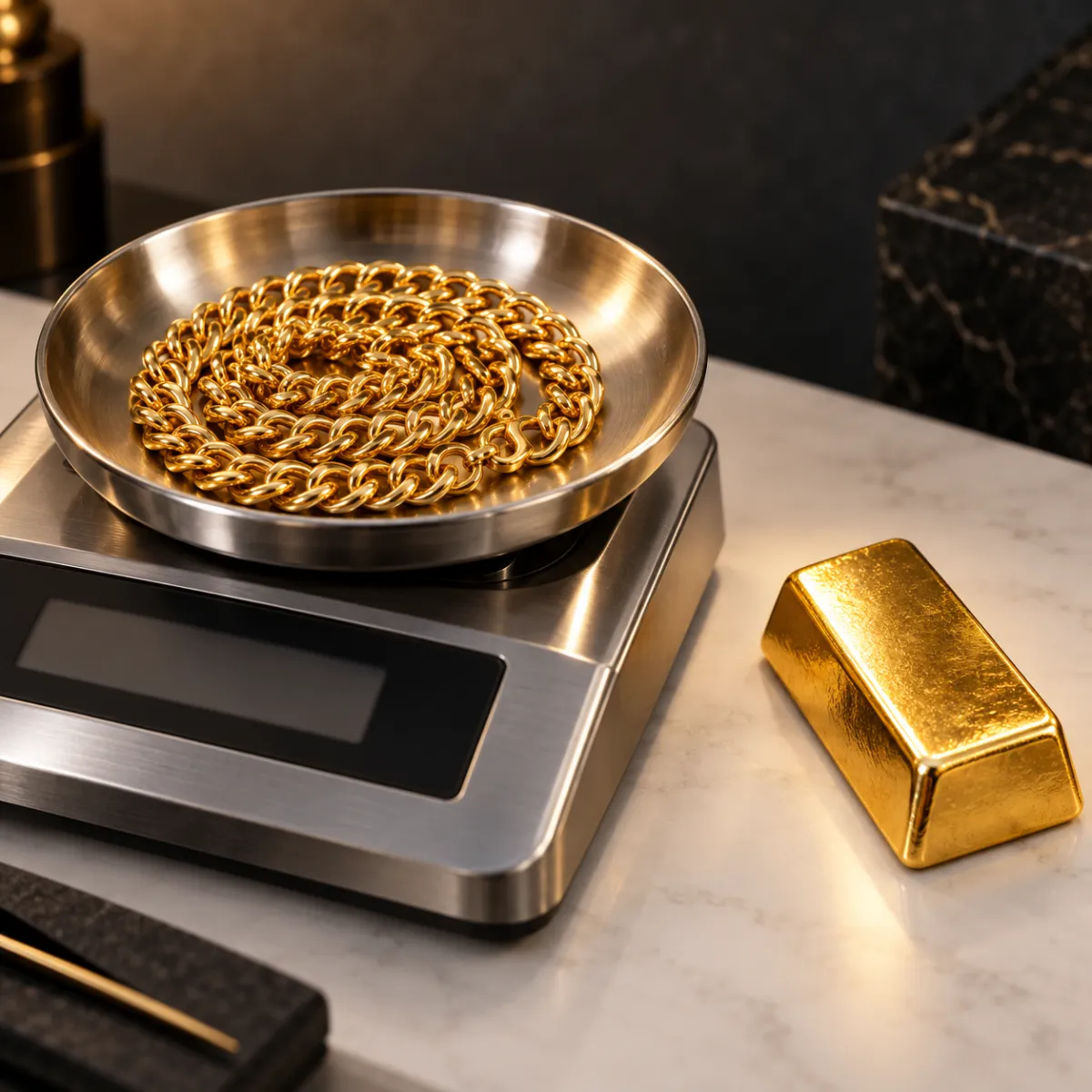
The formula is short. Gold spot price per gram, multiplied by the weight of the chain, plus a making charge for the labour, plus the retailer's margin. No gemstones in the equation, no design premium hiding in the middle. That's the entire cost structure of a plain pure gold chain.
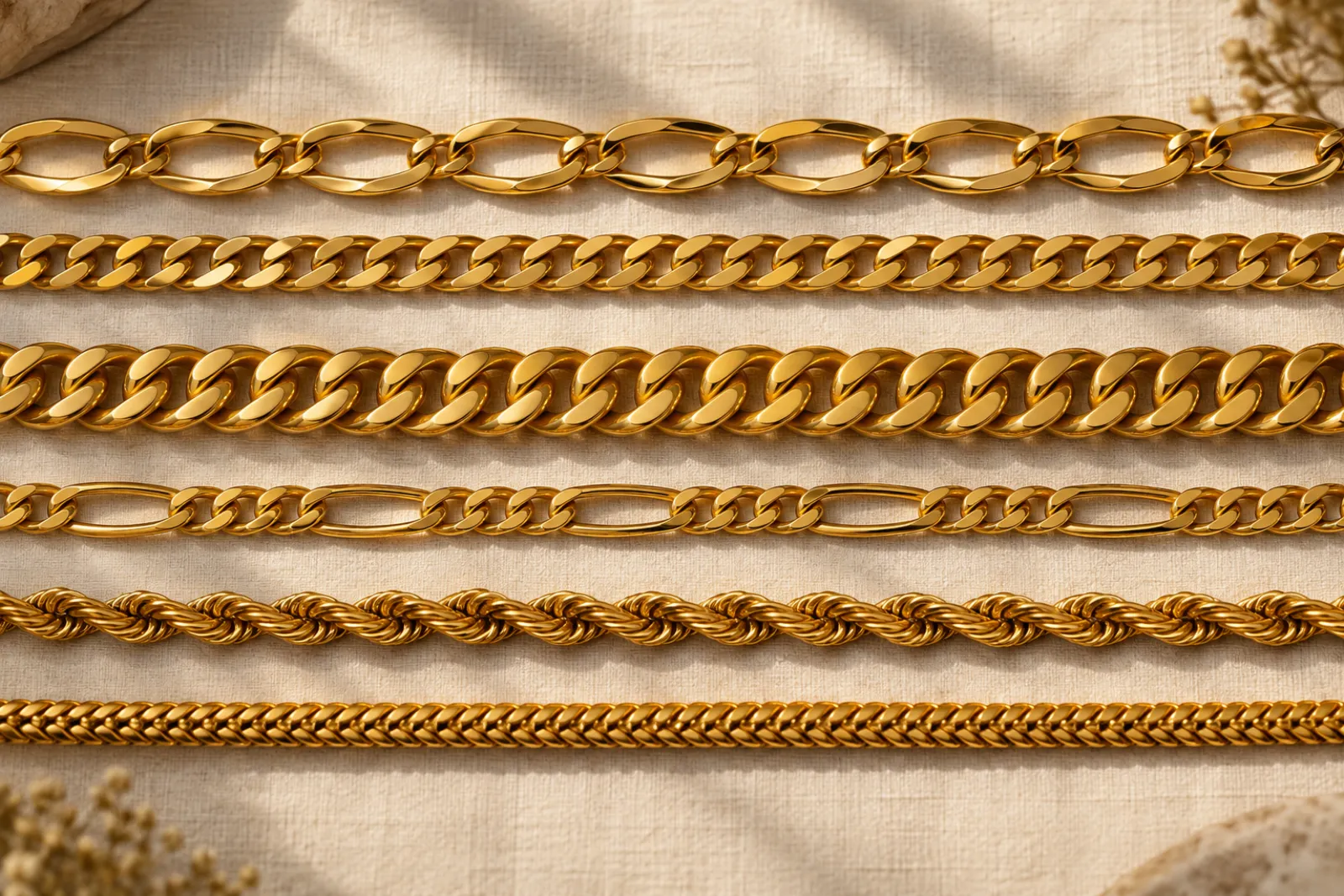
Two chains of identical style and karat can differ in price by a lot, and the reason is almost always weight. A 3mm rope and a 6mm rope look related in a photo and are not remotely the same purchase. This is why any seller worth buying from lists grams before they list anything else.
Gold Spot Price and Markup Explained
Spot is the global benchmark, quoted by the troy ounce and converted to grams. Everything above spot is markup, and markup ranges enormously. A transparent dealer pricing by weight adds a disclosed percentage for fabrication and overhead. A luxury retail brand can charge several times the metal value for the same amount of gold in a nicer box, which is a legitimate business model and a terrible way to buy bullion-equivalent jewelry.
Price by the Gram vs Fixed Retail Pricing
Fixed retail pricing hides the ratio. You see one number and no way to tell how much of it is gold and how much is the store. By-the-gram pricing exposes it, which is exactly why the transparent sellers use it and the traditional ones don't.
That transparency is what makes a 24K chain a wearable asset rather than a pure expense. It won't behave like a financial instrument (you don't get spot back when you sell, and nobody should pretend otherwise), but an investment-grade purity piece holds a real, checkable floor that plated and low-karat jewelry simply doesn't have. Over the long-term, that floor is the difference.
Spot changes daily and so do listings. See where the price sits right now.
Check price →